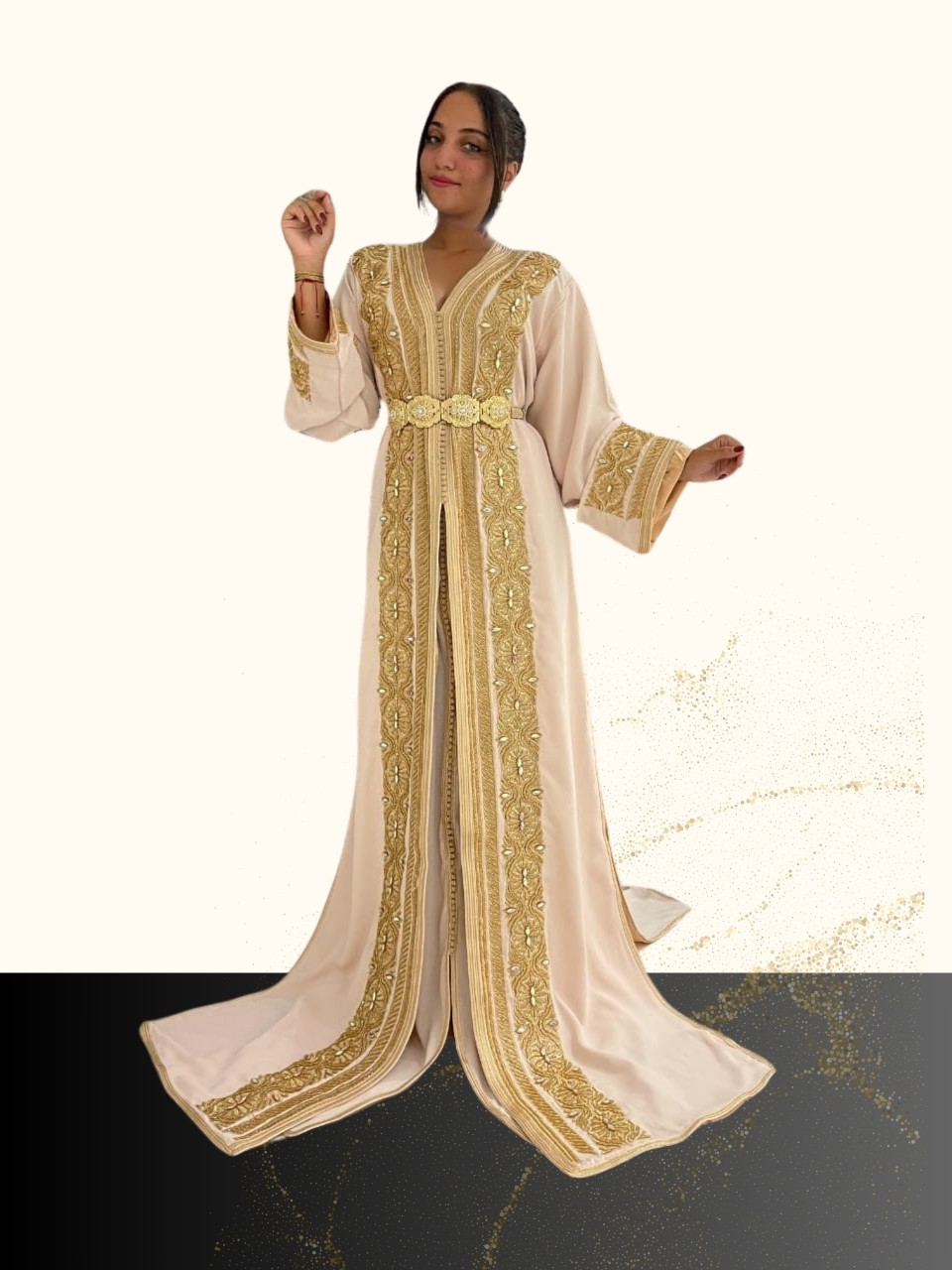
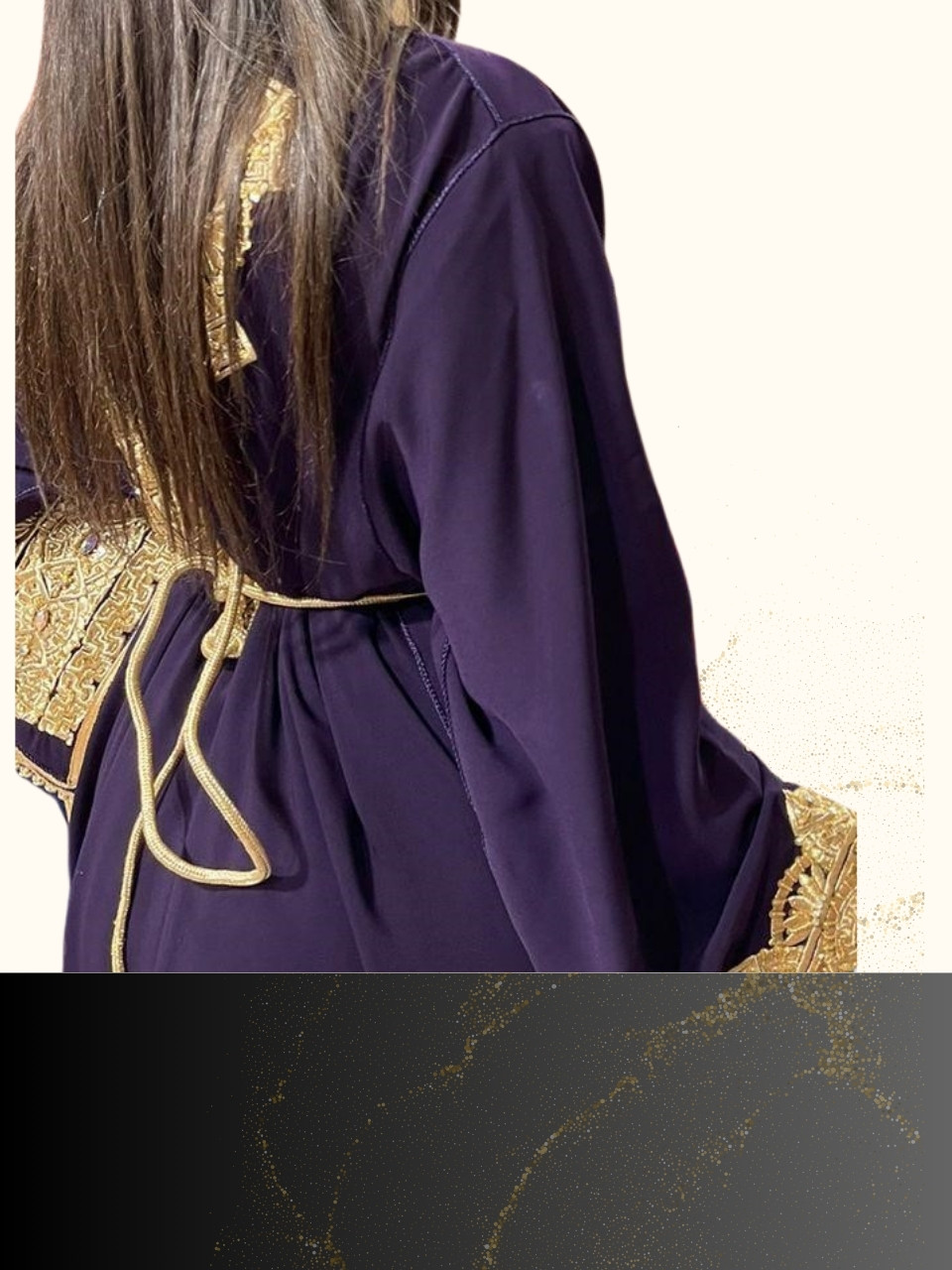
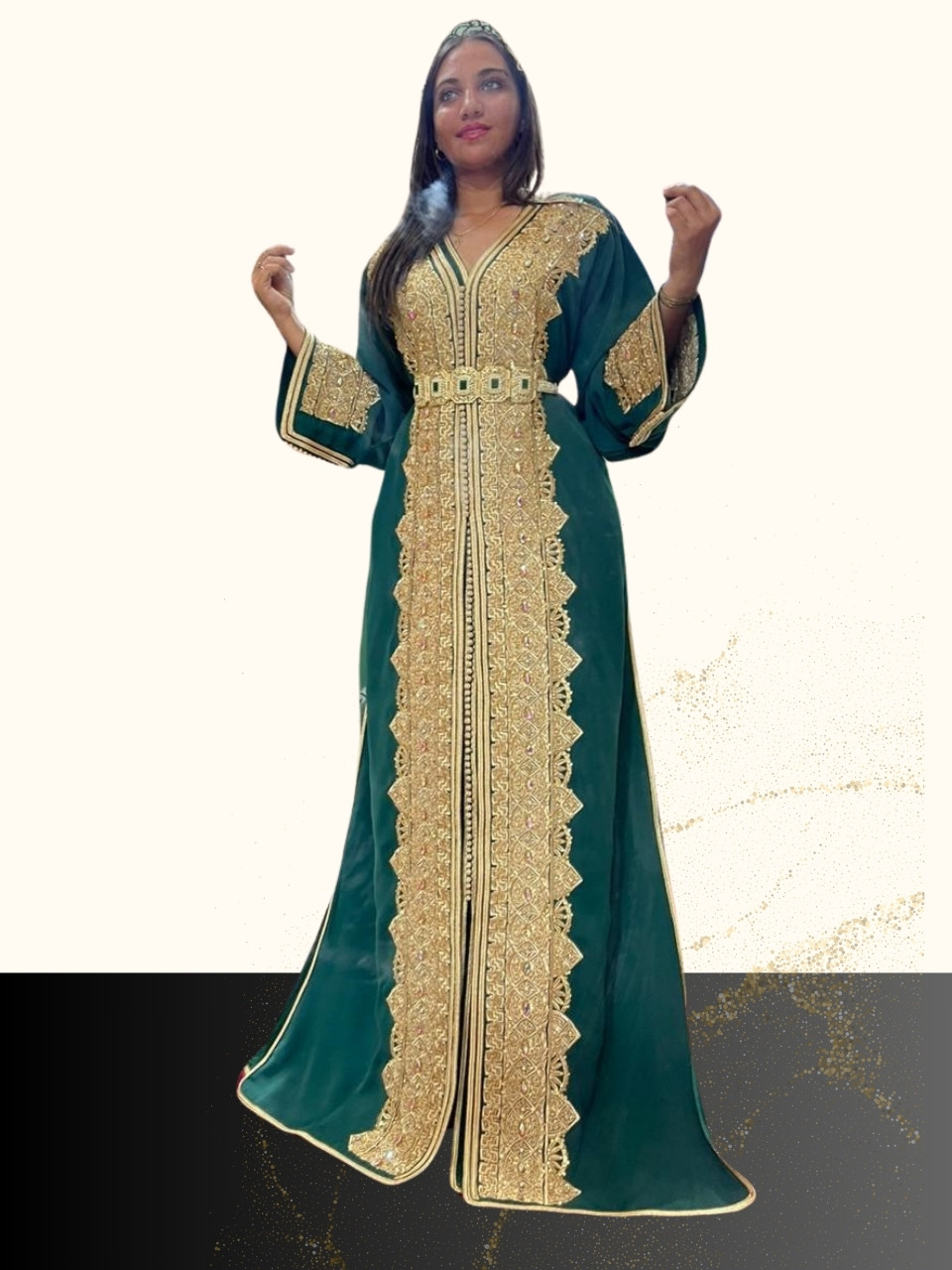
Islamic wedding dresses are more than just garments; they represent a beautiful intersection of faith, culture, and personal expression. For Muslim brides, the wedding dress is a reflection of both religious values and individual style, embodying modesty, grace, and timeless beauty. As a company devoted to crafting exquisite wedding attire, we take pride in creating gowns that honor Islamic traditions while embracing contemporary fashion trends.
Modesty lies at the heart of Islamic bridal fashion. This principle is expressed through elegant designs that provide full coverage while enhancing the bride’s natural beauty. Long sleeves, high necklines, and floor-length gowns are common features, ensuring that the bride’s dress adheres to Islamic guidelines.
However, modesty does not mean compromising on style. Islamic wedding dresses often incorporate luxurious fabrics, intricate embroidery, and delicate beadwork to create stunning, eye-catching pieces. The combination of modesty and detailed craftsmanship results in gowns that exude sophistication and elegance.
Islamic wedding dresses reflect the diverse cultural backgrounds of Muslim brides. Each region adds its unique flair to bridal attire, blending local traditions with Islamic principles. In Australia, where the Muslim community is incredibly diverse, this cultural fusion is vividly expressed in wedding fashion.
South Asian Influences: Brides from South Asian backgrounds may wear lehengas or shararas adorned with heavy embroidery and rich jewel tones.
Middle Eastern Styles: Flowing abayas, kaftans, and gowns with golden threadwork are popular among Middle Eastern brides.
North African Traditions: Brides may opt for elegant djellabas or takchitas with elaborate beadwork and embroidery.
Southeast Asian Inspirations: Brides from Indonesia or Malaysia often choose kebayas or long-sleeved gowns with delicate lace overlays and batik patterns.
This blend of cultures ensures that each Islamic wedding dress is unique, reflecting the bride’s heritage while maintaining the essence of modesty.
Fabric choice plays a crucial role in Islamic bridal fashion, contributing to both the comfort and aesthetic of the gown. Luxurious materials such as silk, satin, chiffon, and velvet are commonly used to create flowing silhouettes that drape elegantly.
Embellishments add a touch of glamour to modest designs. Hand-stitched embroidery, delicate beadwork, and lace appliqués are frequently used to accentuate the gown without overwhelming its simplicity. Gold and silver threading, pearls, and crystals further enhance the beauty of the dress, ensuring that the bride shines on her special day.
Veils and headpieces are important elements of Islamic bridal attire, symbolizing modesty and adding a layer of elegance to the overall look. Many brides choose hijabs or intricately designed headscarves that match the fabric and detailing of their gown. Some may opt for more elaborate headpieces adorned with jewels or delicate lace.
Long, flowing veils are often incorporated into the bridal ensemble, cascading down the bride’s back for a dramatic effect. In some cultures, capes or shawls are draped over the shoulders, providing additional coverage while enhancing the overall aesthetic.
While tradition remains central to Islamic bridal fashion, modern trends have introduced new elements that allow brides to personalize their gowns. Some of the emerging trends include:
Minimalist Designs: Simple, elegant gowns with clean lines and minimal embellishments are gaining popularity, reflecting a more contemporary take on Islamic bridal fashion.
Layered Gowns: Multi-layered dresses with tulle or organza skirts add volume and movement while maintaining modesty.
Color Variations: While white remains a classic choice, more brides are opting for soft pastels, champagne, and even bold colors like emerald and burgundy.
Convertible Dresses: Some brides choose gowns with detachable trains or overlays, allowing them to transition from the Nikah ceremony to the reception seamlessly.
Customization plays a significant role in creating Islamic wedding dresses that align with the bride’s vision and cultural background. At our atelier, we work closely with brides to ensure that every detail reflects their personal style and religious values. From selecting fabrics to choosing embellishments, each element is thoughtfully curated to craft a dress that is both beautiful and meaningful.
Brides can also personalize their gowns by incorporating family heirlooms, such as vintage lace or jewelry, into the design. This not only adds sentimental value but also bridges the past with the future.
Islamic weddings often involve multiple events, each requiring different attire. From the Henna Night (Mehndi) to the Nikah and Walima, brides may choose several outfits to reflect the significance of each occasion.
Henna Night: Brides typically wear vibrant, colorful outfits with intricate henna designs adorning their hands and feet.
Nikah Ceremony: Modest, elegant gowns are preferred, often in soft, neutral tones.
Walima Reception: Brides may choose more elaborate, glamorous gowns that highlight their personal style while maintaining modesty.
Our atelier offers comprehensive bridal packages that cater to the bride’s wardrobe for each event, ensuring a seamless and cohesive bridal experience.