Muslim weddings are a vibrant celebration of love, faith, and community, rich in traditions that vary across cultures and regions. From the intricate details of the ceremony to the opulent attire, every aspect reflects deep-rooted customs and religious significance. As a company dedicated to crafting exquisite wedding dresses, we understand the importance of honoring these traditions while embracing contemporary elegance. Whether you are preparing for your own Muslim wedding or simply intrigued by the beauty of these ceremonies, this guide will provide insight into the key elements that make Muslim weddings truly unique.
At the heart of every Muslim wedding is the Nikah, the religious marriage contract that signifies the union between the bride and groom. This ceremony can be intimate, involving just close family members, or a grand affair with hundreds of guests. Regardless of scale, the focus remains on the spiritual commitment between two people under the blessings of Allah (God).
The Nikah typically involves a religious leader, or Imam, reciting verses from the Quran and asking for the couple’s consent. In Islam, the bride and groom must willingly agree to the marriage, reflecting the emphasis on mutual respect and partnership. Following the Nikah, a marriage certificate is signed, solidifying the union both spiritually and legally.
Muslim weddings often include pre-wedding celebrations that bring together families and friends in joyful anticipation of the big day. One of the most cherished events is the Henna Night, also known as Mehndi. This vibrant celebration is where the bride’s hands and feet are adorned with intricate henna designs, symbolizing joy, beauty, and spiritual awakening. The Henna Night is filled with music, dancing, and gifts, creating a festive atmosphere that strengthens familial bonds.
Another important tradition is the engagement ceremony, where families formally announce the upcoming marriage. This event, although not religiously mandated, is an opportunity for both sides to express their happiness and share blessings for the couple’s future.
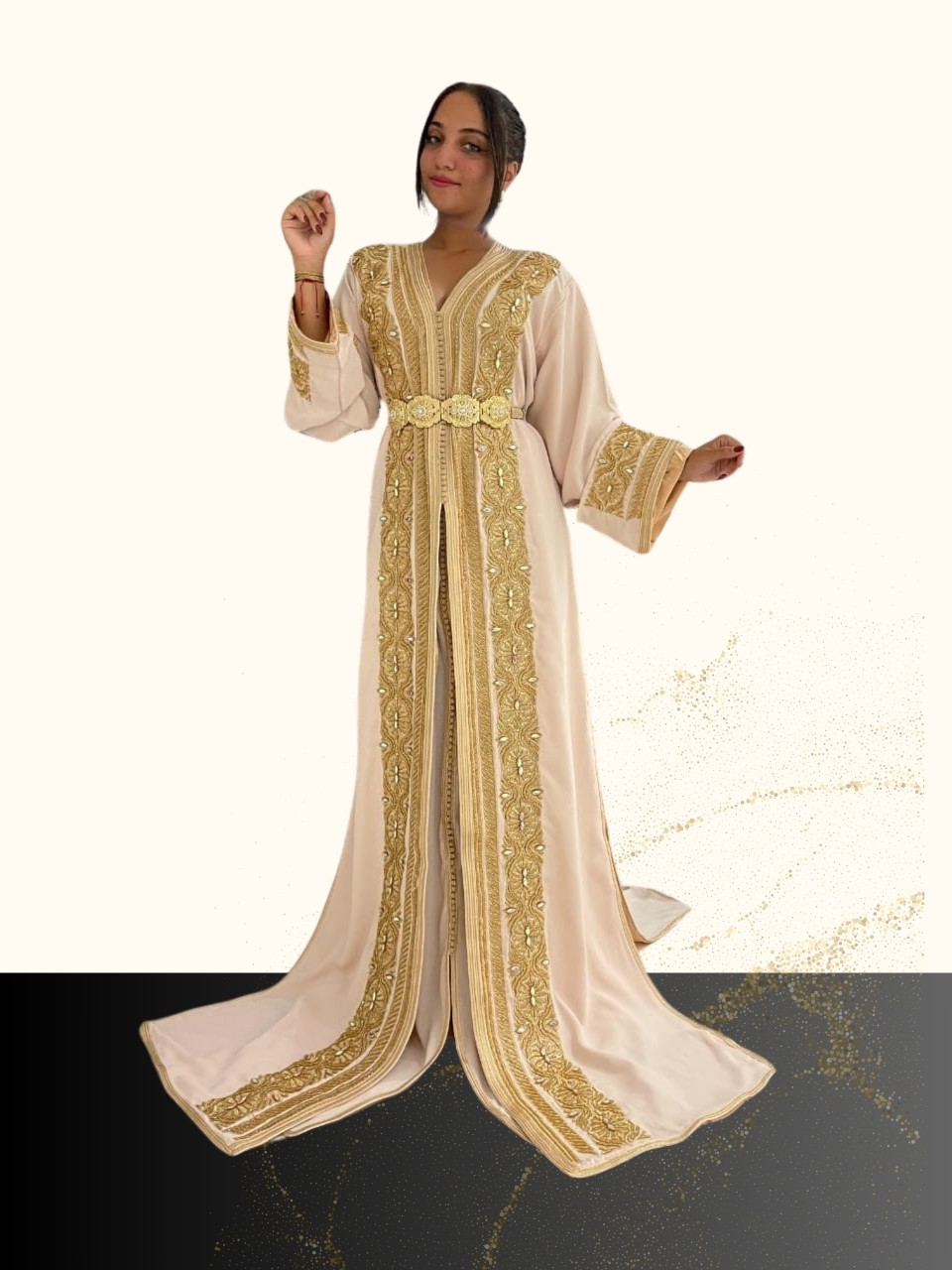
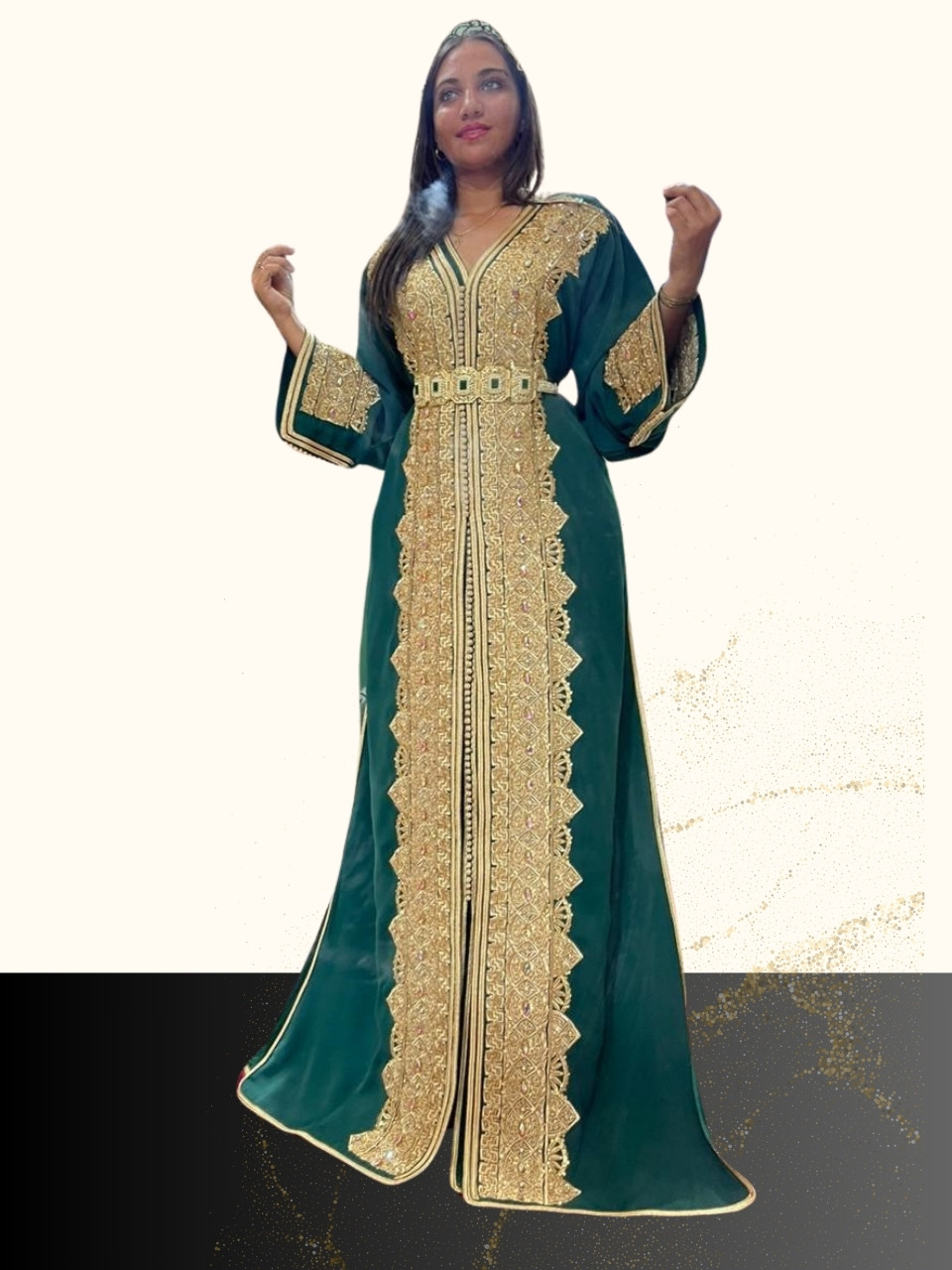
On the day of the wedding, the bride’s attire takes center stage. In many Muslim cultures, the bridal dress is a symbol of grace, modesty, and cultural heritage. While white gowns are popular in Western-inspired weddings, many Muslim brides opt for richly embroidered dresses in hues of red, gold, or green, reflecting the vibrant palette of Islamic artistry.
At our wedding dress atelier, we specialize in creating bespoke gowns that merge traditional motifs with modern designs. From luxurious silk and satin to delicate lace and intricate beadwork, our dresses are crafted to make brides feel both regal and comfortable.
The ceremony itself may differ based on cultural background. In South Asian Muslim weddings, for instance, the bride and groom may exchange garlands and recite vows in front of family members. In Middle Eastern traditions, elaborate feasts and performances often follow the Nikah, celebrating the union with grandeur and joy.
One of the defining aspects of Muslim bridal fashion is the emphasis on modesty. Many brides choose to wear long-sleeved gowns with high necklines and flowing silhouettes. Veils, hijabs, and headpieces are also popular, adding a layer of sophistication and tradition to the overall bridal look.
At our company, we understand the importance of creating wedding dresses that align with these values while allowing brides to express their personal style. Our designers work closely with each bride to craft custom pieces that reflect their cultural background and personal preferences. From minimalist designs to opulent creations, our collection caters to a diverse range of tastes.
Following the religious ceremony, the Walima reception serves as the official wedding celebration. Hosted by the groom’s family, the Walima is an opportunity for extended family and friends to join in the festivities. The reception often features lavish banquets, live entertainment, and dancing. It is a joyous occasion where the newlyweds are introduced to the community as a married couple.
For many brides, the Walima is an opportunity to change into a second wedding dress, often more elaborate and glamorous than the one worn during the Nikah. This transition from understated elegance to dazzling glamour is a highlight of the wedding day, and we take pride in designing dresses that capture the essence of this transformation.
While Muslim weddings share core religious elements, cultural differences add unique touches to each celebration. In North African weddings, traditional kaftans and djellabas are often worn, adorned with elaborate embroidery and jewels. In Indonesian and Malaysian weddings, brides may opt for kebayas and intricately designed headpieces. Understanding and respecting these cultural nuances is crucial in crafting wedding dresses that resonate with brides from diverse backgrounds.
Our team draws inspiration from these global traditions, ensuring that each gown tells a story that reflects the bride’s heritage. By blending cultural motifs with modern fashion, we create timeless pieces that celebrate both the past and the future.
Embrace Tradition: Incorporate traditional elements into your wedding dress while adding modern touches that reflect your personality.
Prioritize Comfort: Choose fabrics that allow you to move and celebrate with ease. Comfort is key, especially during long ceremonies and receptions.
Personalize Your Dress: Work with designers who understand your vision and can customize every detail to align with your cultural and religious values.
Plan Ahead: Muslim weddings often involve multiple events. Plan your wardrobe for each occasion, from the Henna Night to the Walima.
Celebrate Your Heritage: Your wedding is a celebration of love and family. Honor your heritage through your attire, jewelry, and overall aesthetic.
Contact us to check out our women kaftans range to get an idea